Groundbreaking Study Shows Functional Beta Cells Reverse Type 1 Diabetes in Animal Model
Scientists in Sweden have achieved a major milestone in diabetes research. They successfully reversed type 1 diabetes in mice using insulin-producing cells grown from human stem cells.
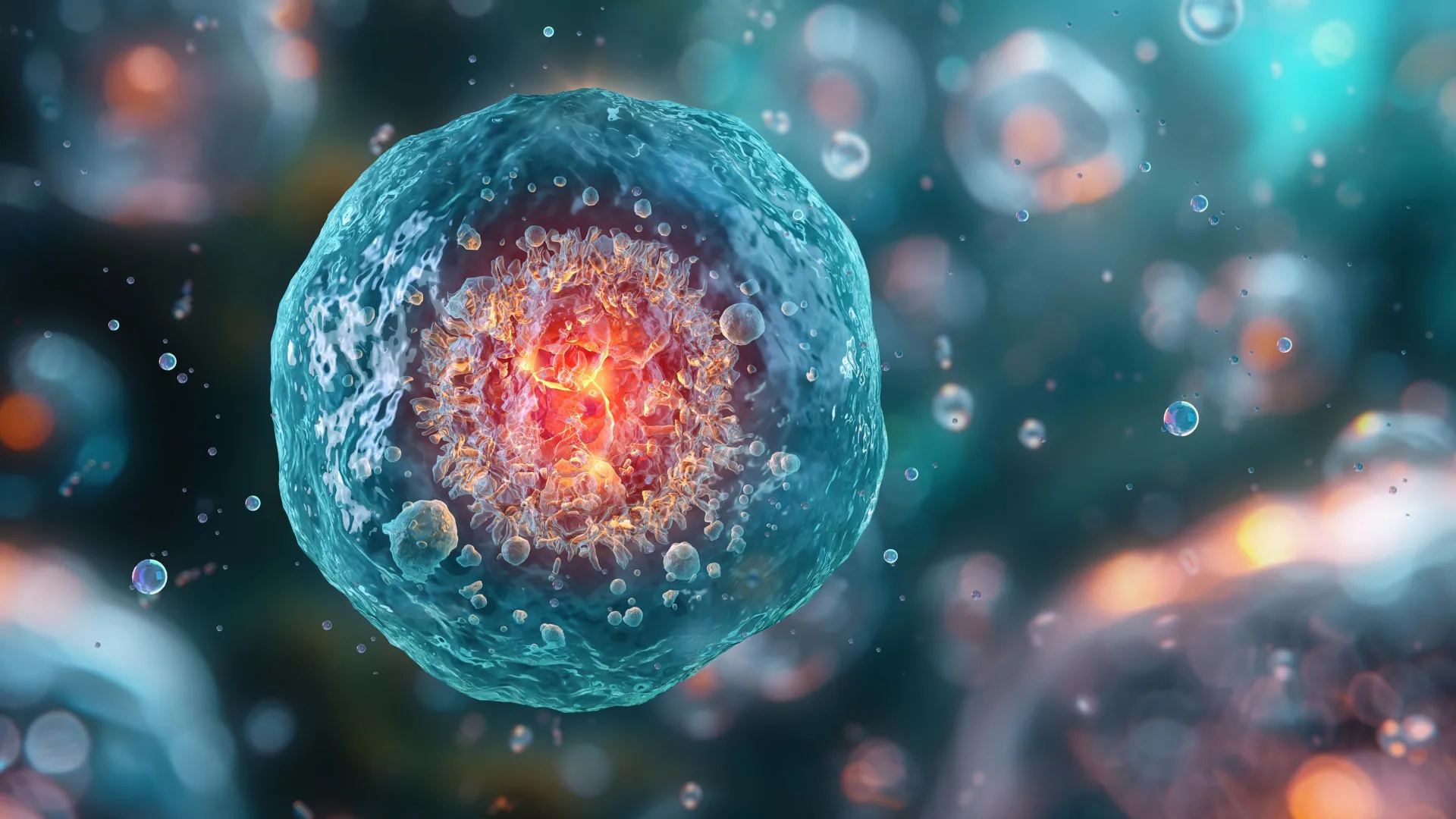
The lab-grown cells responded strongly to glucose and restored normal blood sugar levels when transplanted into diabetic mice. This marks a significant step toward a potential cure for the disease.
Key Findings: Reliable Production and Function
The team developed a more reliable method to create insulin-producing beta cells from human stem cells. Previous attempts often produced cells that were immature or inconsistent.
Dr. Anna Lindgren, lead researcher at the Karolinska Institute, stated: "We have created cells that are virtually identical to natural beta cells. They sense glucose and release insulin exactly as needed."
The cells were tested in mice with chemically induced type 1 diabetes. Within weeks, the mice no longer required insulin injections and maintained normal blood glucose levels.
Background: The Diabetes Challenge
Type 1 diabetes is an autoimmune disease where the body attacks its own insulin-producing beta cells in the pancreas. Patients must inject insulin multiple times daily to survive.
Stem cell research has long aimed to create replacement beta cells. However, producing cells that are both safe and effective has proven difficult. Previous methods often yielded cells with poor glucose responsiveness.
This new protocol uses a specific sequence of growth factors and signaling molecules to guide stem cells into mature, functional beta cells. The process takes about 30 days.
Expert Reaction
Dr. James Oni, a diabetes specialist at Johns Hopkins University, commented: "This is the first time lab-grown cells have achieved such robust glucose control in a living animal. It's a real proof of concept."
He added: "But we need to ensure these cells survive long-term and avoid immune rejection. The next step is testing in larger animals."
What This Means
If these results translate to humans, it could mean an end to daily insulin injections for millions of people with type 1 diabetes. Patients could receive a one-time transplant of lab-grown beta cells.
However, challenges remain. The immune system would still attack these cells unless protected. Researchers are exploring encapsulation technologies and immune suppression strategies.
The Swedish team plans to start preclinical trials in primates within two years, with human trials possible by 2028 if funding and regulatory approvals proceed.
Next Steps: From Mice to Humans
Scientists emphasize that human trials are still years away. The cells must be proven safe and effective in larger animals first.
Dr. Lindgren noted: "We are optimistic but cautious. Type 1 diabetes is a complex disease, and a cure requires solving both the cell replacement and the autoimmune attack."
The study was published in the journal Cell Stem Cell and has generated widespread excitement in the diabetes community.
Internal Links
Learn more about stem cell therapy for diabetes and the challenges ahead in our background section.