Breaking: Intel to Produce Apple’s Next-Generation Chips
Intel is on the verge of becoming a key chipmaking partner for Apple, according to a preliminary agreement reported by the Wall Street Journal on Friday. The deal would allow Intel to manufacture some of Apple’s custom silicon, including Mac processors, inside its U.S. factories.
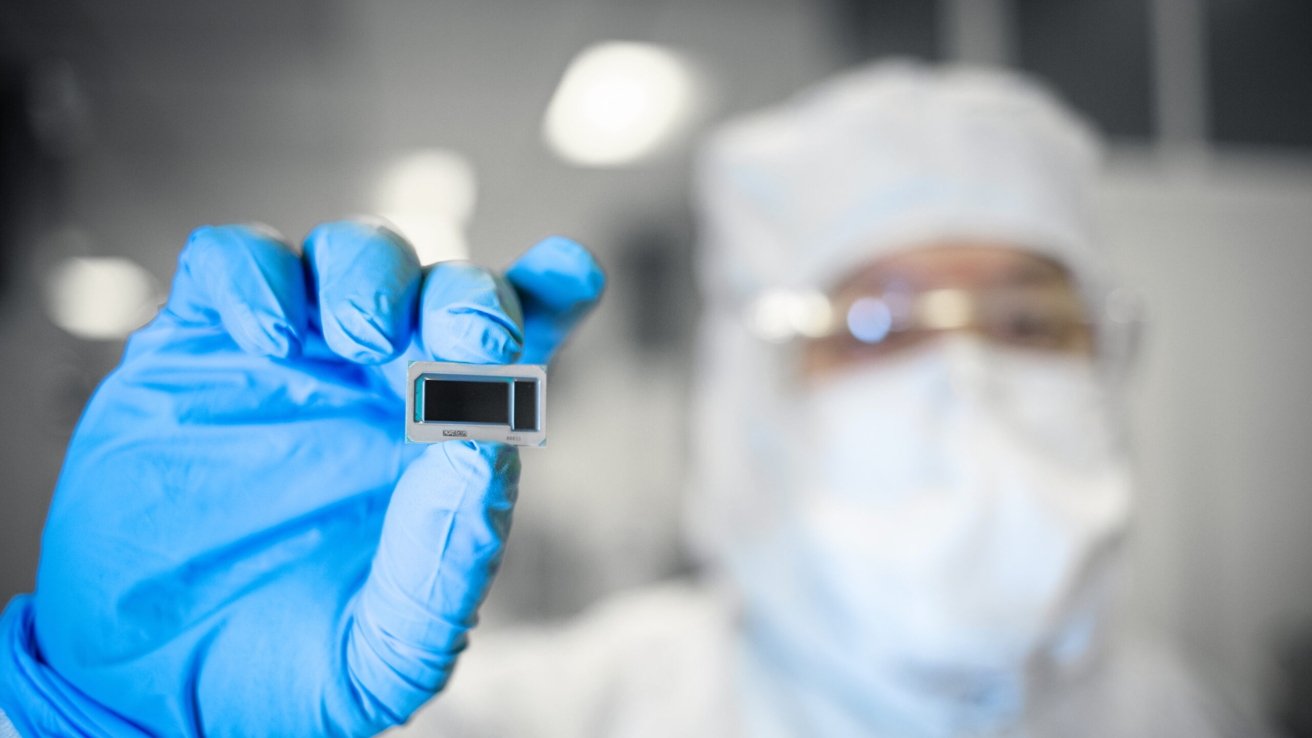
Sources close to the negotiations reveal that the two companies have been in talks for over a year, with significant progress made in recent months. Final terms are still being ironed out, but insiders expect an announcement within weeks.
“This is a watershed moment for the semiconductor industry,” said Dr. Emily Foster, a chip supply chain analyst at TechInsights. “It signals Apple’s intent to diversify away from TSMC and brings high-volume fabrication back to American soil.”
Background
Apple has long relied on Taiwan Semiconductor Manufacturing Co. (TSMC) to produce its custom-designed A-series and M-series chips. But geopolitical tensions and supply chain disruptions have pushed Apple to seek alternatives.
Intel, once the world’s leading chipmaker, has been struggling to regain its manufacturing edge. A partnership with Apple could revitalize its foundry business and reduce the industry’s dependence on TSMC.
What This Means
If finalized, the deal would mark Apple’s first major move to produce chips in the United States. It could shorten supply chains, lower shipping costs, and provide a buffer against trade conflicts in Asia.
For consumers, the impact is less immediate but significant. Future iPhones, iPads, and Macs may still rely on TSMC for the most advanced nodes, but Intel could handle mature processes—freeing up TSMC capacity for leading-edge silicon.

Key Implications
- Supply chain resilience: Apple would no longer be solely dependent on one manufacturer in a politically volatile region.
- U.S. jobs boost: Intel’s factories in Arizona, Oregon, and New Mexico could see increased hiring and investment.
- Competitive pressure: Intel’s foundry services would gain credibility, challenging TSMC’s dominance.
“Apple is playing a long game here,” added Mark Chen, a semiconductor strategist at GlobalFutures. “By splitting chip production between TSMC and Intel, they gain leverage and security.”
Next Steps
Both companies have declined to comment officially. However, Apple’s next earnings call, scheduled for April, is expected to shed light on the partnership. Industry watchers will also look for hints at the upcoming WWDC in June.
Stay updated with our Background section and What This Means analysis for ongoing coverage.