Breaking: KOTOR Spiritual Director Denounces Generative AI in Game Development
January 2025 — Casey Hudson, the veteran BioWare designer behind the original Knights of the Old Republic, has publicly denounced generative artificial intelligence as “creatively soulless,” vowing that his upcoming Star Wars: Fate of the Old Republic will not incorporate the controversial technology.
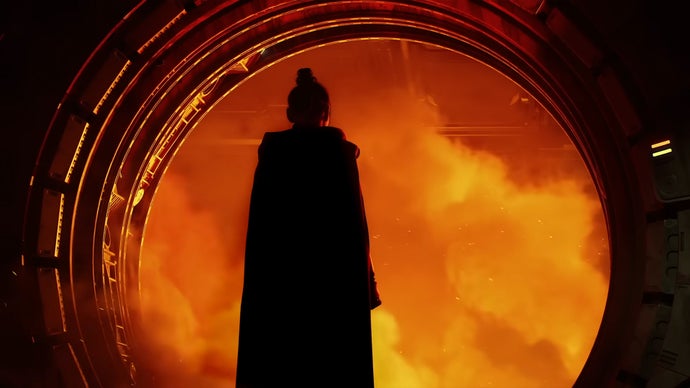
“I just find AI to be creatively soulless,” Hudson told PC Gamer in an exclusive interview. “Our game is built on human imagination, handcrafted stories, and the passion of real artists. We won’t cut corners with generative tools that lack intent or emotional depth.”
No Generative AI in the KOTOR Spiritual Successor
The project, first teased in December 2024 via a cinematic trailer, serves as a spiritual sequel to the beloved Knights of the Old Republic series. At that early stage, the trailer was designed more to recruit talent than to reveal gameplay details — but Hudson’s latest comments offer a clear creative compass.
“From dialogue scripting to worldbuilding, everything will be written and designed by a team of people who care deeply about Star Wars,” Hudson said. “If you want procedurally generated filler, go play something else.”
Background: The AI Debate in Gaming
The gaming industry has been sharply divided over generative AI. While some studios use tools like ChatGPT or Midjourney to speed up asset creation and NPC dialogue, critics argue that these systems strip artwork of human meaning and can lead to homogenized experiences.
Hudson’s stance places Fate of the Old Republic firmly in the anti-AI camp, aligning with a growing number of independent and narrative-focused developers who prioritize handcrafted content. “Players can tell when a line was written by a human who understands context and emotion versus a machine predicting the next most probable word,” Hudson explained.
The Knights of the Old Republic series is known for its branching storylines and player agency. Hudson emphasized that preserving that legacy requires rejecting algorithmic shortcuts. “We’re not going to risk the soul of the game by automating creativity,” he added.
What This Means for Developers and Players
For developers: Hudson’s public position may influence hiring decisions. The recent trailer was deliberately ambiguous about specific roles, but his comments suggest the studio is looking for experienced writers, concept artists, and narrative designers — not prompt engineers.
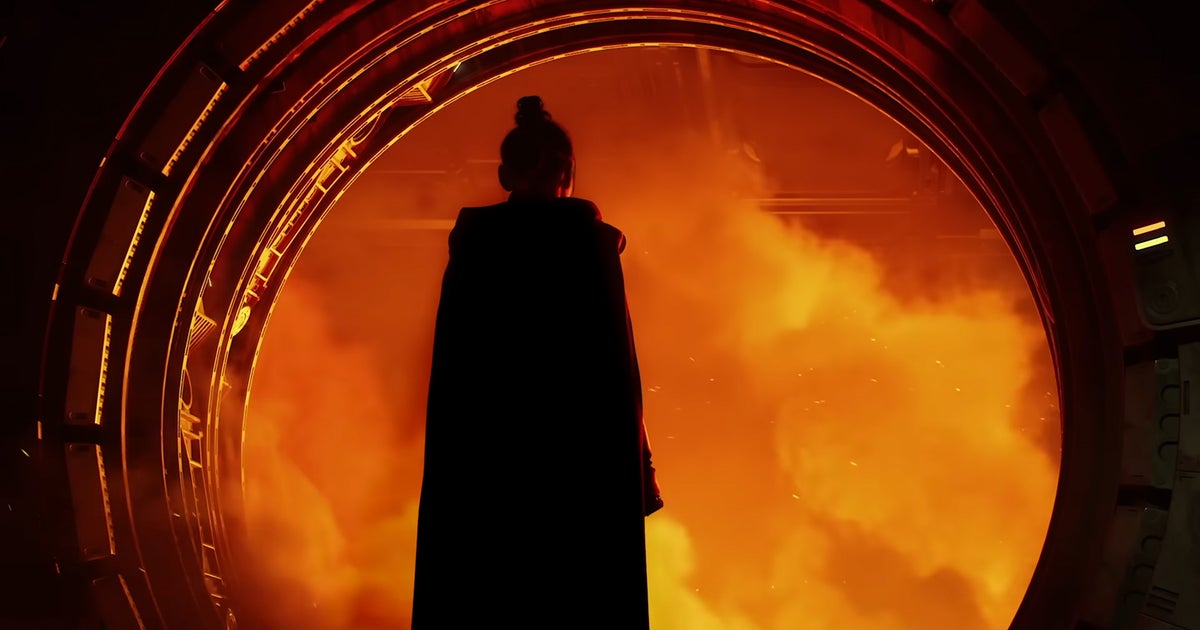
For players: This is a signal that Fate of the Old Republic will prioritize deep, handcrafted storytelling over efficiency. While that may mean longer development cycles, the pay-off could be a more authentic Star Wars experience. “Fans deserve writers who bleed for their craft, not algorithms that simulate it,” Hudson said.
Industry Reactions
Not everyone agrees with Hudson’s approach. Some industry analysts point out that generative AI can handle repetitive tasks like generating background flora, low-poly enemy variations, or proofreading quest text — freeing up humans for higher-level creative work.
“I respect Casey’s passion, but dismissing all AI as ‘soulless’ risks throwing the baby out with the bathwater,” said Dr. Mara Linden, game studies professor at MIT. “Smart integration of AI for non‑narrative tasks can actually support human creativity.”
Yet Hudson remains unapologetic: “The moment you start handing creative control to a statistical model is the moment you lose something intangible. I’d rather ship a smaller, more meaningful game than a bloated one built by machine.”
What’s Next for Fate of the Old Republic
At this stage, no release date or platform details have been announced. Hudson acknowledged that development is still in pre-production. “We’re taking our time,” he said. “We’re building a game that respects the legacy of KOTOR — not a cash grab that uses buzzwords like ‘AI‑enhanced narrative.’”
The game is being developed by a new studio led by Hudson, with several former BioWare and Obsidian Entertainment alumni already on board. More information is expected later in 2025.
“If you want a game that feels alive, you need human beings who are alive to make it,” Hudson said. “That’s the only path forward for Fate of the Old Republic.”