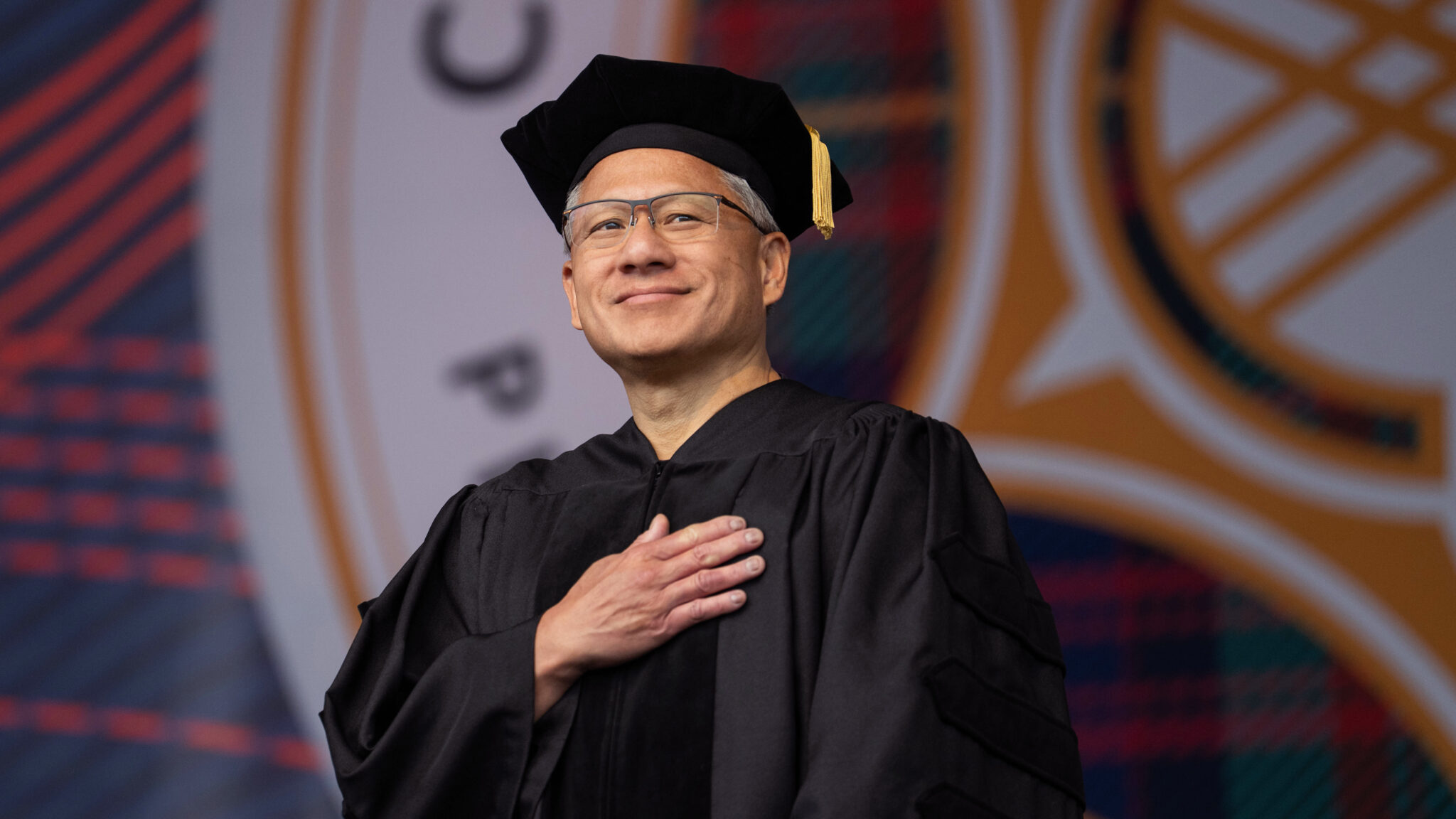
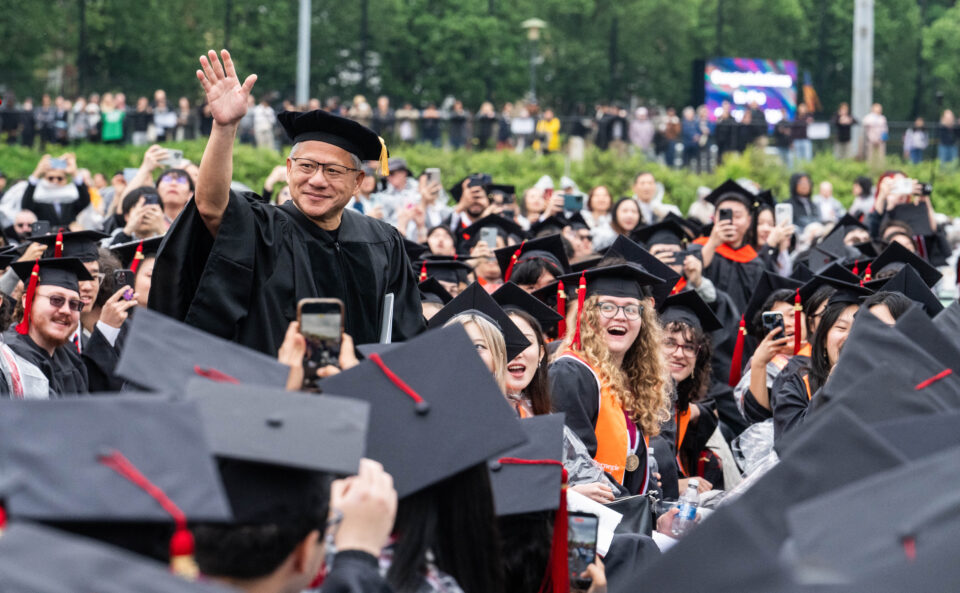
In a stirring commencement address at Carnegie Mellon University, NVIDIA founder and CEO Jensen Huang delivered a powerful message to the graduating class: they are entering the workforce at the dawn of the AI revolution—a moment as transformative as the PC era he himself launched his career in. He called on graduates to seize the unprecedented tools and opportunities that lie ahead, emphasizing that this generation is uniquely positioned to shape the future of technology, industry, and society. Below, we explore the key themes from his speech, presented in a question-and-answer format.
What made Jensen Huang describe this moment as extraordinary for graduates?
Huang told Carnegie Mellon graduates that they are stepping into a world at a pivotal point in history. A new industry is being born, and a new era of scientific discovery is beginning. He emphasized that no generation has ever possessed more powerful tools or greater opportunities. The AI revolution, he argued, is not just another incremental advance—it is a fundamental shift that will redefine every sector. Graduates, he said, are standing at the same starting line as everyone else, giving them a rare chance to actively shape what comes next rather than passively inherit the past.
How did Huang compare the AI revolution to the PC revolution?
Drawing a direct parallel to his own career start during the personal computer revolution, Huang explained that every major computing platform shift—from PCs to the internet, mobile, and cloud—has led to this shared moment. He emphasized that what is happening now with AI is larger than any prior transformation because intelligence itself is becoming foundational to every industry. Just as the PC democratized computing, AI is democratizing intelligence, making it a force that will change how we work, create, and solve problems across the board.
Why does Huang believe AI will impact every industry?
Huang stated bluntly that intelligence is the bedrock of all industries—from healthcare and manufacturing to education and entertainment. Because AI makes intelligence broadly accessible, no sector will remain untouched. He described the current buildout as the largest technology infrastructure project in human history, one that will require electricians, plumbers, ironworkers, technicians, and all kinds of builders. The AI revolution isn't confined to Silicon Valley; it's a nationwide opportunity that touches every job and community.
What makes this graduating class uniquely prepared for the AI era?
According to Huang, the present graduating class is better primed than any before it to press the advantage of AI. For the first time, the power of computing and intelligence can truly reach everyone, closing the technology divide. He told students that now is their time to realize their dreams, and the timing could not be more perfect. Unlike earlier generations who had to wait for technology to mature, today's graduates enter a field where AI tools are already available and rapidly advancing—giving them a head start in creating the future.
How does AI offer a 'once-in-a-generation opportunity' to rebuild America?
Huang framed AI as the engine driving the largest technology infrastructure buildout in history, calling it a unique chance to reindustrialize America and restore the nation's capacity to build. He invoked the American dream of opportunity and reinvention, noting that AI is creating a new industrial era—not just a new computing industry. This means massive investments in factories, data centers, and skilled trades, offering tangible career paths for graduates and workers alike.
What does Huang mean by 'AI closes the technology divide'?
Huang emphasized that AI's greatest promise is making intelligence accessible to everyone, not just a select few. By democratizing advanced computing capabilities, AI can level the playing field for individuals and communities that have historically been left behind. He pointed out that the same AI tools used by top researchers can now be used by students, small businesses, and workers in diverse fields. This inclusivity is what will truly expand human potential and drive broad-based economic growth.
How should graduates respond to the fears surrounding AI?
Huang acknowledged that every major technological revolution in history has brought fear alongside opportunity. AI is no different. But he urged graduates to engage with the technology openly, responsibly, and optimistically. When society does so, he argued, the expansion of human potential far outweighs the risks. Rather than fearing displacement, graduates should see AI as a tool that amplifies their own abilities—and they have a responsibility to guide its development and deployment for the greater good.